
English Version | Editor's Letter: The Naif Issue, February 2026
© Barbara Brasil
"Whoever blushes is already guilty. True innocence is ashamed of nothing” - Jean-Jacques Rousseau
Some say that naiveté is a character flaw, but science, always less dramatic, describes it with a different kind of care. It speaks of dispositional optimism, of trust as a starting point, of brains that prefer openness to suspicion, curiosity to closure. It tells us that those who believe tend to persist more, recover better, and create stronger bonds. That constant distrust tires the body, inflames the mind, and shortens life. Science doesn't use the word "naif," but when it does, it does so respectfully.

Maren Tschinkel
Ellen Von Unwerth
Trusting is not being blind; it's being efficient. Cooperating is more productive than competing. Expecting something good is not denying risk, it's accepting it. The curious thing is that, even with graphs and studies, we continue to treat naiveté as a childish mistake, something to be corrected with age, as if growing up were synonymous with hardening. Perhaps because the modern world has decided that lucidity rhymes with coldness. That intelligence requires distance. That feeling too much is a lack of calculation. In this scenario, naiveté seems like a foreign body: it believes, it approaches, it tries again. Not because it doesn't know the fall, but because it doesn't want to live on its knees.
Naiveté sees. It sees everything. The subtle violence, the inflated ego, the haste disguised as ambition. It sees the failed promises and the small gestures that led to nothing, and yet it chooses not to shield itself. There's a silent decision in this, almost scientific as well: not to let experience extinguish possibility.
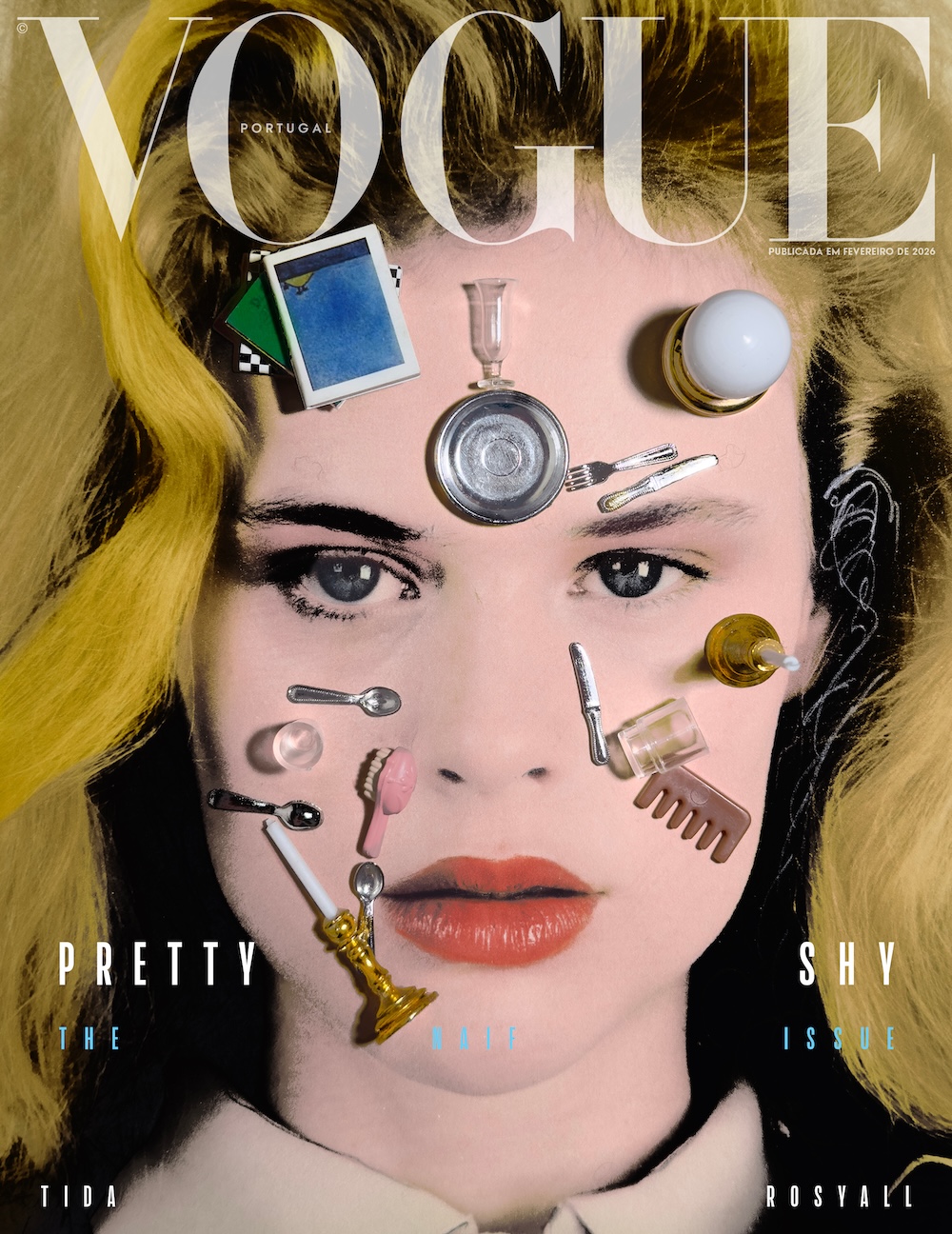
Tida Rosvall
Jasa Muller
To be naif is to trust knowing it might hurt. It's to remain available in a world that has specialized in absences. It's to accept that love doesn't come complete, but it comes. Sometimes crooked, sometimes late, sometimes only for a moment. It's to laugh easily, not out of distraction, but out of a refusal to make irony a permanent state.
Those who haven't understood are called naif, but perhaps it's exactly the opposite. Perhaps they realized too early that cleverness without tenderness builds nothing lasting. That winning debates is easy, but sustaining relationships requires courage. That protecting oneself from everything is a slow way to disappear. To be naif is to believe in a future when the present insists on being a bad draft. It's trusting when the algorithm tells you to distrust. It's laughing at simple things, like someone who hasn't received the general memo warning that they're no longer allowed to find it funny.
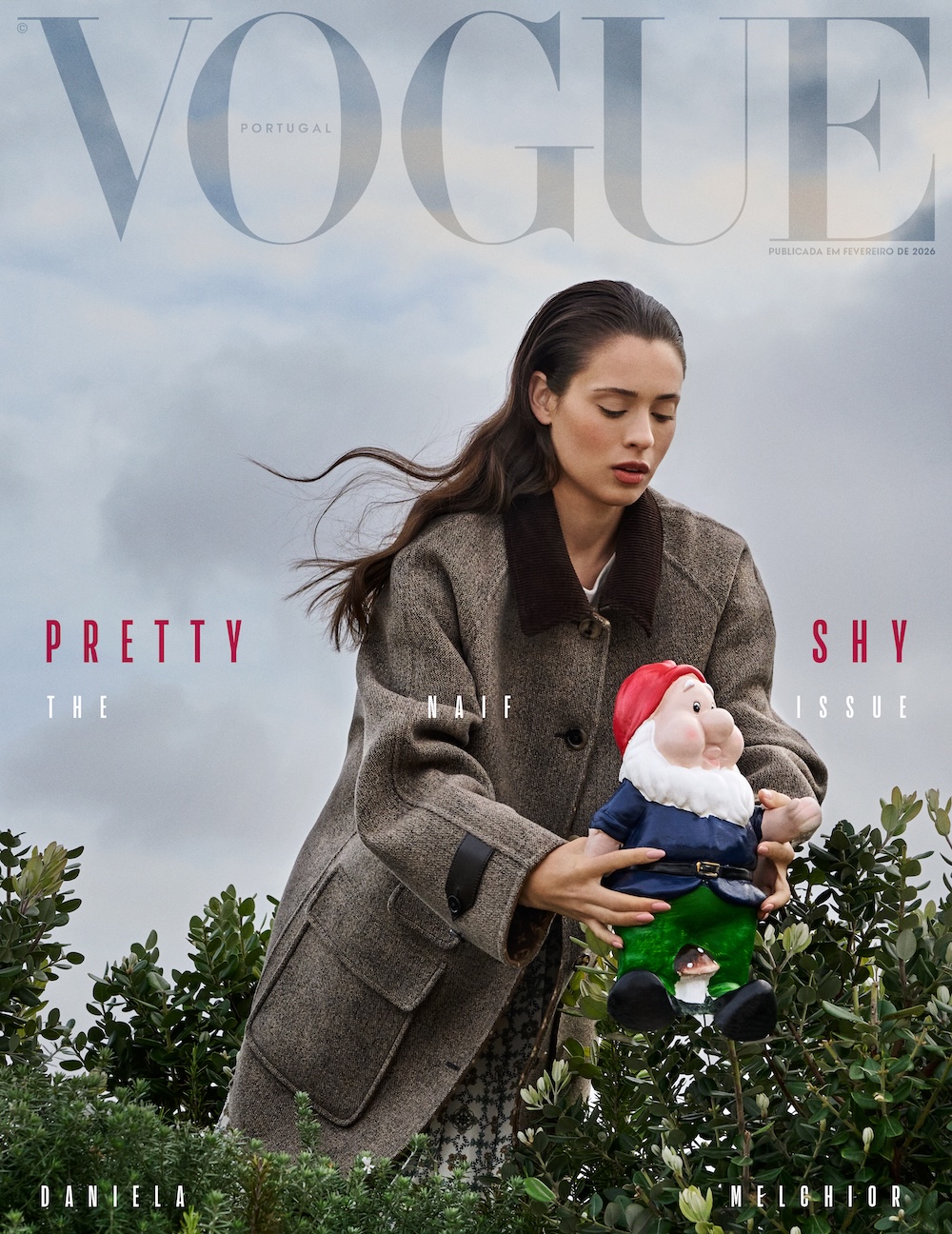
Daniela Melchior
Branislav Simoncik
And there's humor in that, of course. Naif humor isn't acidic; it's somewhat crude, somewhat distracted. It laughs at itself. The naif person doesn't need to win the debate, preferring to maintain the friendship. They don't want to be right, they want to keep talking. Perhaps that's why it bothers so many. In a world obsessed with performance, the naif person fails with elegance. In a world that values cleverness, they insist on kindness. And that sounds almost offensive, like someone who appears too happy in a group photo.
Naiveté knows that there is still beauty where no one is looking. That kindness is not a waste of time. That the world, despite everything, can surprise us, even if only a little. And perhaps that little bit is enough.

Egshig Enkhbold
Caterina Gili
In the end, being naif is perhaps this: keeping the heart habitable. Leaving a light on even when no one promises to return. Watering the plant even after so many have not bloomed. Continuing to wait, not because the world deserves it, but because we deserve not to turn to stone.
And if that is naiveté, then perhaps it is the most beautiful, and most human, form of intelligence that we still have left.
Translated from the original in The Naif Issue, published February 2026. For full stories and credits, see the print issue.
Most popular
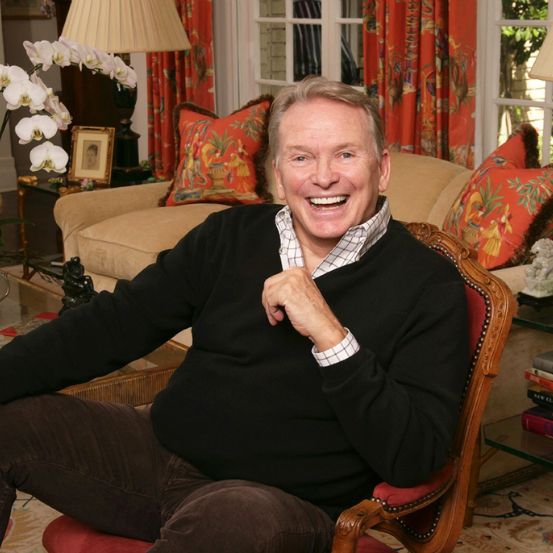
Bob Mackie, conhecido pelas suas criações para Cher e outros artistas, morreu aos 87 anos
14 Sep 2026
 By Sofia Lucas
All articles
Relacionados
.jpg)